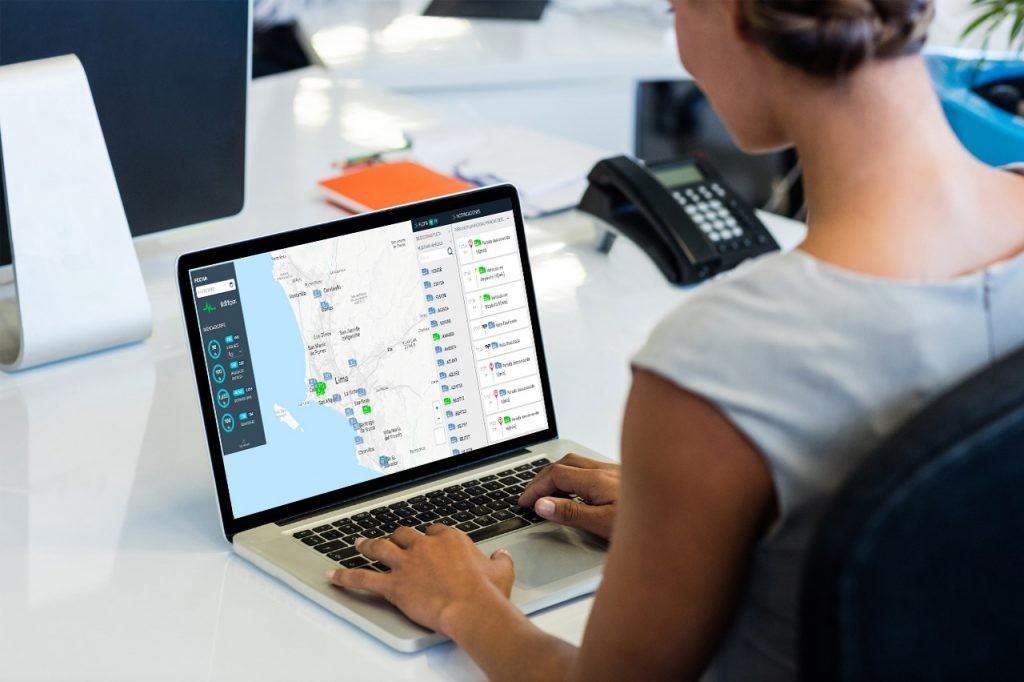
Freight and logistics keep the global economy moving. Every product you buy—whether it’s groceries, electronics, furniture, or clothing—has likely traveled through multiple transportation networks before reaching your doorstep. Behind these operations are freight brokers, trucking companies, dispatchers, and logistics providers who coordinate shipments every day.
As the logistics industry continues to grow, many businesses are turning to Freight Virtual Assistants (Freight VAs) to handle administrative and operational tasks remotely. Hiring a virtual assistant allows freight companies to reduce overhead costs and improve efficiency, making it one of the fastest-growing remote work niches today.
If you’re looking for a stable remote career with long-term opportunities, becoming a Freight Virtual Assistant may be the perfect path.
What is a Freight Virtual Assistant?

A Freight Virtual Assistant is a remote professional who supports freight brokers, trucking companies, logistics agencies, and transportation businesses with daily administrative and operational tasks.
Unlike a general virtual assistant, a Freight VA specializes in the freight and transportation industry. They help coordinate shipments, communicate with carriers and customers, update shipment information, manage documentation, and ensure everything runs smoothly behind the scenes.
Depending on the client, a Freight VA may assist with:
- Email and customer communication
- Load entry and shipment updates
- Scheduling pickups and deliveries
- Appointment setting
- Data entry
- Invoice processing
- Rate confirmations
- Document management
- CRM updates
- Tracking shipments
- Carrier communication
Many Freight VAs work closely with freight brokers or dispatchers, becoming an essential part of their daily operations.
Why Freight Virtual Assistants Are in High Demand

The logistics industry has experienced tremendous growth due to increasing e-commerce, international trade, and supply chain demands.
However, many freight companies face challenges such as:
- Labor shortages
- Rising operational costs
- Increasing shipment volume
- Administrative overload
Hiring remote assistants helps businesses solve these problems without hiring additional in-office staff.
Freight companies increasingly outsource repetitive administrative work so their brokers and dispatchers can focus on negotiating rates, acquiring new customers, and moving more freight.
This shift has created excellent opportunities for remote workers worldwide, especially in countries known for skilled virtual assistants.
Why Freight VA is a Great Niche
Many aspiring virtual assistants compete for general VA jobs. While those positions remain popular, specializing in a niche like freight offers several advantages.
Less Competition
General VA positions often receive hundreds of applications.
Freight VA positions attract fewer applicants because they require industry knowledge, making it easier to stand out once you’ve developed the necessary skills.
Higher Earning Potential
Specialized virtual assistants often command higher hourly rates than general administrative assistants because they provide industry-specific expertise.
Clients value assistants who understand freight terminology and logistics workflows, reducing training time.
Long-Term Clients
Freight businesses operate year-round.
Unlike seasonal businesses, trucking companies and freight brokers require ongoing support, increasing the likelihood of long-term employment.
Transferable Skills
Experience as a Freight VA can open doors to careers in:
- Freight brokerage
- Truck dispatching
- Logistics coordination
- Supply chain management
- Operations management
Many professionals eventually move into higher-paying logistics positions after gaining industry experience.
Common Responsibilities of a Freight Virtual Assistant
A Freight VA’s daily responsibilities vary depending on the client, but common tasks include:
Managing Email Communications
Freight businesses receive hundreds of emails every day.
A Freight VA organizes inboxes, responds to routine inquiries, follows up with customers, and forwards urgent concerns to the appropriate team members.
Shipment Tracking
Monitoring shipments is one of the most important responsibilities.
Freight VAs check shipment status, contact carriers for updates, and inform customers about delivery progress.
Data Entry
Accurate records are essential in logistics.
Virtual assistants update transportation management systems (TMS), spreadsheets, and CRMs with shipment details.
Customer Support
Many Freight VAs answer customer questions regarding:
- Delivery schedules
- Shipment status
- Documentation
- Billing concerns
Providing prompt, professional responses helps improve customer satisfaction.
Scheduling
Freight VAs coordinate:
- Pickups
- Delivery appointments
- Driver schedules
- Calendar management
Good scheduling minimizes delays and keeps operations running efficiently.
Documentation
Freight companies rely on paperwork such as:
- Bills of Lading (BOL)
- Rate Confirmations
- Proof of Delivery (POD)
- Carrier packets
- Invoices
A Freight VA ensures documents are properly organized and accessible.
Skills You Need to Become a Freight Virtual Assistant

You don’t need a logistics degree to become a Freight VA.
However, developing these skills will significantly improve your chances of getting hired.
Communication Skills
You’ll interact with customers, drivers, dispatchers, and brokers daily.
Professional written and verbal communication is essential.
Organization
Freight involves many moving parts.
Being highly organized helps prevent costly mistakes.
Attention to Detail
Incorrect shipment information can lead to delivery delays.
Accuracy is one of the most valuable skills in logistics.
Customer Service
Clients appreciate assistants who remain calm and professional, especially when handling shipment delays or customer concerns.
Computer Skills
You’ll commonly use:
- Google Workspace
- Microsoft Office
- CRMs
- Transportation Management Systems (TMS)
- Email platforms
- Spreadsheet software
Learning new software quickly is a major advantage.
Helpful Freight Industry Terms to Learn
Before applying, become familiar with common logistics terminology.
Some important terms include:
- Bill of Lading (BOL)
- Proof of Delivery (POD)
- Less Than Truckload (LTL)
- Full Truckload (FTL)
- Rate Confirmation
- Dispatch
- Carrier
- Broker
- Consignee
- Shipper
- ETA (Estimated Time of Arrival)
Understanding these terms helps you communicate confidently with clients.
How to Become a Freight Virtual Assistant
1. Learn the Basics of Freight and Logistics
Begin by understanding how freight brokers, carriers, and shippers work together.
Free online resources, YouTube videos, and logistics blogs can help build foundational knowledge.
2. Develop Relevant Administrative Skills
Practice:
- Email management
- Calendar management
- Data entry
- Customer support
- Spreadsheet organization
These skills form the backbone of Freight VA work.
3. Learn Industry Software
Many freight companies use software such as:
- Transportation Management Systems
- CRM platforms
- Google Workspace
- Microsoft Excel
- Load boards
Even basic familiarity gives you an advantage.
4. Build Your Resume
Highlight transferable experience, including:
- Customer service
- Administrative support
- CRM experience
- Email management
- Appointment scheduling
- Data entry
- Documentation
If you’ve previously worked with clients, emphasize communication and problem-solving skills.
5. Apply to Freight VA Positions
Look for opportunities on:
- OnlineJobs.ph
- Upwork
- Indeed
- Virtual assistant agencies
Use a customized application for each client rather than sending generic proposals.
Tips for Landing Your First Freight VA Job
Many clients don’t expect applicants to know everything.
Instead, they value people who are:
- Fast learners
- Reliable
- Organized
- Honest
- Responsive
- Willing to learn logistics systems
Show genuine interest in the freight industry during interviews.
Employers often prefer someone eager to grow rather than someone with limited industry knowledge but little enthusiasm.
Is Becoming a Freight Virtual Assistant Worth It?
If you’re looking for a remote career with strong growth potential, becoming a Freight Virtual Assistant is absolutely worth considering.
Unlike many general VA roles, freight support is tied to an industry that operates every day. As global shipping, trucking, and e-commerce continue to expand, businesses will continue needing dependable remote professionals to keep operations organized.
Whether you’re transitioning from customer service, administrative work, or another virtual assistant role, specializing in freight can help you stand out in a competitive job market. With the right combination of communication skills, attention to detail, and a willingness to learn logistics processes, you can build a rewarding career supporting freight brokers, trucking companies, and logistics providers from anywhere in the world.
The demand for skilled Freight Virtual Assistants is expected to remain strong, making this niche an excellent choice for anyone seeking long-term remote work opportunities.
Frequently Asked Questions
Do I need experience to become a Freight Virtual Assistant?
Not necessarily. Many employers are willing to train candidates who have strong administrative, communication, and customer service skills. Learning basic freight terminology beforehand can give you a competitive edge.
How much can a Freight Virtual Assistant earn?
Rates vary depending on experience, location, and responsibilities. Beginners often start with entry-level rates, while experienced Freight VAs with specialized knowledge can earn significantly more, especially when working directly with freight brokers or logistics companies.
Is Freight VA work stressful?
Like any logistics role, there can be busy periods and time-sensitive tasks. However, staying organized, communicating clearly, and managing priorities effectively can make the work both manageable and rewarding.